
HVAC in Westminster, CO: Heating Service for Homes Built in the 1970s and 1980s
Call Us
(720) 764-0399
Serving Westminster from Boulder
Rapid Response
Heating a home in Westminster
Nearly 44 percent of Westminster’s homes were built in just two decades: 10,854 in the 1970s and 11,161 in the 1980s, out of 50,166. A house from either decade is on a replacement furnace by now, or on an original past forty, working through ductwork and a flue that may be original to it. That inheritance is where the heating questions in this city start. Boulder HVAC Pros takes Westminster calls from Boulder. This page is about what heating a home here actually involves, at 5,380 feet, in a city that sits in two counties, and what to do when yours stops.
Westminster is a city of about 50,200 housing units at roughly 5,380 feet, split between Adams County and Jefferson County, where seven homes in ten heat with utility gas and the median house dates from 1987. What decides a heating job in Westminster is the elevation, the age of the house, its fuel and its utility; the sections below take them one at a time.
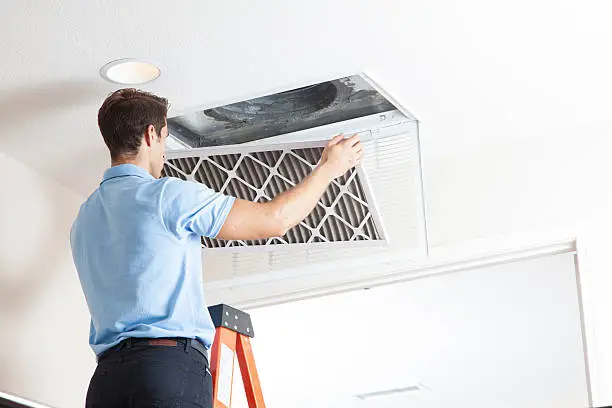
Elevation: what 5,380 feet does to a furnace
According to the U.S. Geological Survey, central Westminster lies at about 5,382 feet. The altitude requirements a furnace must meet come from its manufacturer and differ between models. Goodman’s installation manual for one gas furnace series directs that a high-altitude orifice kit be applied if the specification sheet calls for one, and its altitude table lists no kit for natural gas at elevations up to 7,000 feet. For a Westminster house, the point to check is what that furnace’s manual specifies at 5,382 feet, and whether it was followed. There is one instruction in the manual that no elevation changes: manifold pressure must not be turned down to derate the furnace, since thin air and low pressure together “may cause incomplete combustion, flashback, and possible yellow tipping.” Carbon monoxide comes from incomplete combustion.
Housing age: a 1987 median, built in two decades
The Census Bureau’s 2019–2023 American Community Survey puts the median year built for Westminster’s 50,166 housing units at 1987. The shape behind that median is unusual: the 1980s are the city’s largest decade of building at 11,161 units and the 1970s a close second at 10,854, so 43.9 percent of the stock dates from those twenty years. A further 9,808 units came in the 1990s, and only 23.6 percent were built in 2000 or later. For heating, a 1974 or 1985 house means a replacement furnace or an original past forty, a flue and return sized for the first one, and a thermostat cable that may be a conductor short for a modern control. The questions are about what each replacement left behind, and the build year is the first thing we ask.
Your next step
Call Boulder HVAC Pros on (720) 764-0399 about a struggling furnace or the City’s heat pump group-buy before November 18. With the rating plate, your gas and electric bills and the build year in front of you, we can settle the county and utility questions on the first call.
HVAC services in Westminster
Heating here is mainly gas furnaces serving 1970s and 1980s houses, with air conditioning and water heaters making up the rest. The entries below explain how each applies here and where to read more. Westminster is listed alongside the other thirteen on the service-area page for Boulder, Weld, Broomfield, Adams and Jefferson counties.
Furnace repair. Seven homes in ten here are gas-heated, which makes this the core winter job. On a 1970s or 1980s house the things to check are the flue and return the last replacement inherited as well as the furnace itself; on the post-2000 quarter, a sensor, an igniter, an inducer or a pressure switch. We begin with what the furnace’s own manual requires at this height. See furnace repair for Westminster houses.
Furnace replacement. Where earlier furnaces have come and gone, a replacement is the chance to correct what they left behind: a load calculation rather than a like-for-like swap, a flue checked against the new appliance, and whatever the furnace’s manual requires at this elevation. The City’s permitting is fully paperless through its eTRAKiT portal, and its Building Division holds walk-through residential permit reviews on Tuesday afternoons and Thursday mornings. See furnace installation.
Heat pumps. With more than a quarter of homes already heating electrically and the City itself running a heat pump group-buy this year, a cold-climate heat pump paired with the existing gas furnace as backup is an ordinary job here. Go to heat pump installation; for faults, heat pump repair.
Maintenance. A yearly inspection earns its cost fastest on a furnace in a house from those decades: combustion check, static pressure, flue condition. See heating maintenance and tune-ups.
Water heaters and boilers. The gas-heavy stock includes gas water heaters and, in some older homes, boilers; water heater repair and replacement is among the work the City’s home repair programme covers for qualifying households. Hot water and boilers are covered in water heater services and boiler repair.
Air conditioning. From August 1, 2026 permits in Westminster must comply with the 2026 National Electrical Code, which governs the electrical side of any new condenser or heat pump. See installing AC and AC repair.
When it will not wait. Heat gone after dark in January, with people in the house, is what our emergency HVAC service is for.
Why homeowners in Westminster call Boulder HVAC Pros
- Our base is Boulder, to the north-west.
- We know a furnace here must be set up for 5,400 feet, so on every gas appliance we start with what its own manual says about that height, and whether that was done.
- We know that a replacement furnace in a 1980s house and an original in a 2005 one raise different checks, and we ask the build year before we quote.
- And we know the City's process: permits and inspections run through eTRAKiT, the deadline to book a next-business-day inspection is 4 pm, inspection windows are morning or afternoon rather than timed, and the codes in force are the 2021 International Codes, in effect since June 1, 2024.
Why this winter, in Westminster
- 25C, the federal credit for efficient heating equipment, reached only property placed in service before December 31, 2025. No 2026 install qualifies, and our rebates guide sets out what programmes remain.
- the City's heat pump group-buy with Switch Together closes to registration on November 18. It is a no-obligation registration on the City's own page, and for a gas-heated 1980s house weighing a heat pump with furnace backup it is a dated reason to look now rather than in spring.
- the rules are moving. Permits have had to comply with the 2026 National Electrical Code since August 1, 2026, and the Building Division has been consulting this summer on a building code and contractor licensing update, with public sessions in June and July. Where Xcel is your utility, its heat pump rebates also require install and invoice by December 31, 2026.
How Westminster heats: seven in ten on gas
The same survey’s house-heating-fuel table records 47,995 occupied homes: 69.4 percent heat primarily with utility gas, 27.9 percent with electricity, and under one percent with bottled gas. The figures carry three qualifications. Households name one principal fuel, so combined heat pump and furnace systems register under one of the two; the sample runs from 2019 to 2023, centring near 2021; and the electric total covers baseboard and resistance heat, common in apartments and condominiums, along with heat pumps. What the table does say is that a heating call here is a gas furnace call seven times in ten, which means combustion, venting and gas pressure at altitude, and that more than 13,400 homes already heat electrically, so a heat pump conversion is an ordinary job here.
Who serves this address: two counties, and the City's own programmes
Westminster straddles a county line: the Census Bureau’s 2020 place-by-county file lists it in both Adams County and Jefferson County. Neither is Boulder County, so Boulder County’s EnergySmart rebate does not apply to a Westminster address. What the City offers instead is its own: an Emergency and Essential Home Repair programme for income-qualified, owner-occupied households that covers furnace and water heater repair or replacement, and, this year, a heat pump group-buy run with Switch Together, with registration open until November 18. On utilities, the City’s pages point residents to Xcel Energy’s rebates without saying which utility serves which address, so check the name on your electric and gas bills before assuming a rebate applies. Where it is Xcel, its furnace rebate requires a 95 percent AFUE unit replacing a non-condensing one and Xcel gas service.
Westminster heating FAQ
Is Westminster in Adams County or Jefferson County?
Both. The Census Bureau’s 2020 place-by-county file lists Westminster city under Adams County and under Jefferson County. Neither is Boulder County, which matters because Boulder County’s EnergySmart rebate is for Boulder County residents and does not apply here. Check which county your property is in before relying on any county programme.
How do permits and inspections work for HVAC work in Westminster?
The City’s permitting is fully paperless: applications, plans, inspection requests and results all go through its eTRAKiT portal, and contractors schedule inspections there. The deadline to book an inspection for the next business day is 4 pm, inspections can be scheduled up to five business days ahead, and the window is morning or afternoon rather than a set time. Someone over 18 has to be on site to let the inspector in, an inspection can be cancelled until 6:00 am on the day, and results are posted in the portal. The 2021 International Codes have been in effect since June 1, 2024. Ask the Building Division whether your particular job needs a permit.
Which utility serves Westminster, and does it affect rebates?
The City’s energy pages point residents to Xcel Energy’s rebates but do not say which utility serves which address. Eligibility depends on which utility serves yours, so check the name on your electric and gas bills before assuming a rebate applies. Where it is Xcel, its furnace rebate requires Xcel gas service and a 95 percent AFUE unit replacing a non-condensing one; its heat pump rebates require an Xcel account.
How old are Westminster homes, and why does that matter for heating?
The 2019–2023 American Community Survey puts the median year built at 1987. Of 50,166 units, 11,161 date from the 1980s and 10,854 from the 1970s, and only 23.6 percent were built in 2000 or later. A house from those two decades is on a replacement furnace, or on an original past forty, working through ductwork and a flue that may date from then, so the questions are about what each replacement left behind.
Do most Westminster homes heat with gas or electricity?
Gas. Of 47,995 occupied homes, 69.4 percent heat primarily with utility gas and 27.9 percent with electricity, per the same survey. Heat pumps and baseboard share one line in the survey, which also takes just one fuel per home, so the electric number is not a count of heat pumps. It does mean more than 13,400 homes here are already electric.
Is a new furnace tax deductible in 2026?
Not through the federal credit homeowners used before. The Energy Efficient Home Improvement Credit applied to property placed in service before December 31, 2025, so a furnace or heat pump installed in 2026 does not qualify for it. What remains is utility rebates, where your utility offers them, and local programmes such as the City’s home repair programme for income-qualified owner-occupiers; the City’s energy page also points income-qualified households to the State of Colorado’s Weatherization Assistance Program. Our rebates guide tracks what ended and what is still there.