
HVAC in Louisville, CO: Heating Service for a Town Rebuilding at 5,300 Feet
Call Us
(720) 764-0399
Serving Louisville from Boulder
Rapid Response
Heating a home in Louisville
Louisville has two kinds of heating system now. As of August 2026, 532 of the 550 homes the Marshall Fire destroyed have been rebuilt or have started rebuilding, each with a new furnace or heat pump installed under the City’s current codes. Around them stands a housing stock with a median build year of 1991, a fifth of it from before 1980. Boulder HVAC Pros serves Louisville from Boulder, one city west. This page is about what heating a home here actually involves, on both sides of that line, and what to do when yours stops.
Louisville is a Boulder County city of about 8,300 housing units at roughly 5,340 feet, where three homes in four heat with utility gas and the median house dates from 1991. Elevation, housing age, fuel, and who serves the address decide most of what goes right or wrong with a heating system here, so each has its own section below, with the rebuild in its place.
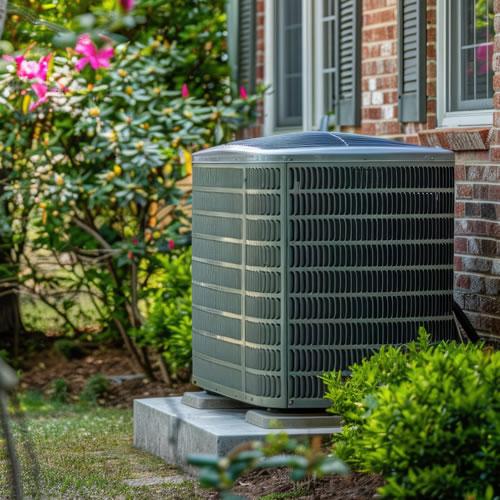
Elevation: what 5,340 feet does to a furnace
The U.S. Geological Survey places central Louisville at roughly 5,336 feet. What that means for a gas furnace is decided model by model, in each manufacturer’s instructions, not by a general rule. Goodman’s installation manual for one of its furnace lines, for example, requires a high-altitude orifice kit where the specification sheet calls for it, yet its altitude table lists no kit for natural gas at any height up to 7,000 feet. The honest question at 5,336 feet is therefore what this furnace’s own manual requires, and whether an installer followed it. One instruction in that manual applies at every elevation: never turn the manifold pressure down to derate the unit, because reduced pressure in thinner air “may cause incomplete combustion, flashback, and possible yellow tipping.” That incomplete combustion is where carbon monoxide comes from.
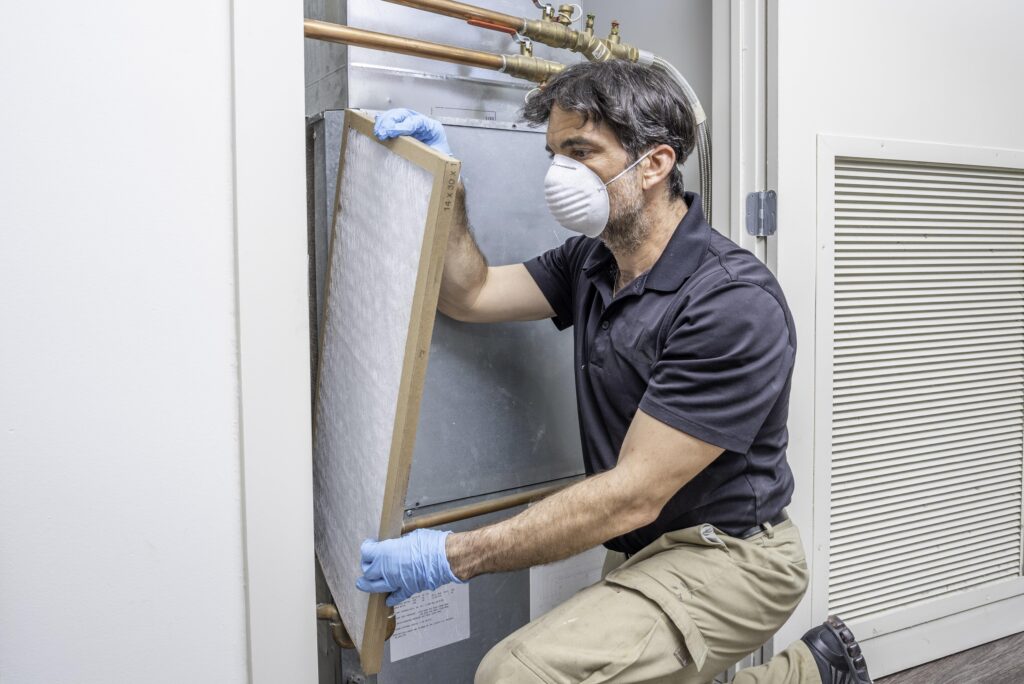
Housing age: a 1991 median, and 550 homes newer than the survey
The Census Bureau’s 2019–2023 American Community Survey puts the median year built for Louisville’s 8,304 housing units at 1991; 20.0 percent were built before 1980 and 23.9 percent in 2000 or later. Read that survey with one Louisville-specific caveat: it pools responses from 2019 to 2023 and records only 92 units built in 2020 or later, so the Marshall Fire rebuilds, 532 of 550 homes rebuilt or under way by August 2026 on the City’s count, are mostly not in it. The real stock is therefore older at the median than the number suggests in the untouched neighbourhoods, and brand new in the rebuild area. On the pre-1980 fifth the checks are about what earlier replacements may have left behind: an undersized return, a flue sized for an older appliance, a control cable short one conductor.
Your next step
For a failing furnace, or a decision about replacing one before the Xcel deadline, the number is (720) 764-0399. It helps to have the rating plate, both utility bills, and the build year or rebuild permit ready, because they answer most of the questions above before anyone arrives.
HVAC services in Louisville
In a town that is three-quarters gas-heated and partly rebuilt, the service list runs from furnaces in January to air conditioning in July, with water heaters in between. The notes below say how each applies here and link to the full page. Louisville is one entry on the service-area index of the towns we reach from Boulder.
Furnace repair. With three in four homes on gas, this is the January call. On the pre-1980 fifth the checks go downstream of the furnace itself, to the flue, the return and any control the last replacement inherited; on a 1990s house they begin with the flame sensor, igniter and pressure switch; on a rebuild the question is commissioning or warranty. The first thing we check is what the furnace’s own manual requires at this elevation. The full page is furnace repair in Louisville and the county.
Furnace replacement. A 1991-median housing stock outside the rebuild area means a large share of furnaces here are at the age where replacement is a decision rather than an emergency. The City requires a permit to replace a furnace, A/C or water heater, and since December 2025 that work is inspected against the 2024 mechanical and fuel gas codes. The full picture, City permit included, is under furnace installation.
Heat pumps. With a fifth of homes already heating electrically and Xcel rebates running through 2026, a cold-climate heat pump paired with the existing gas furnace as backup is a live option here. The detail sits under installing a heat pump and repairing a heat pump.
Air conditioning. Louisville’s local amendment to the 2023 electrical code requires GFCI protection on every new outdoor condensing unit, which changes what a compliant install costs and looks like here. See air conditioning installation and AC repair.
Maintenance. An annual inspection is the one service that pays for itself on an older furnace here: combustion check, static pressure, flue condition. It does not need a permit; replacement does. See heating maintenance and tune-ups.
Water heaters. A replacement water heater needs a City permit, the same as a furnace. See water heater services.
When it will not wait. If the furnace quits overnight in midwinter, treat it as urgent and use emergency HVAC repair.
Why homeowners in Louisville call Boulder HVAC Pros
- We work out of Boulder, one city to the west.
- We know that a furnace here has to be set up for 5,300 feet, and the first thing we check on every gas appliance here is what its own manual requires at this elevation.
- We know the difference between the town's pre-1980 fifth, its 1990s core and its rebuild area, and we ask which one you live in before we quote, because the right answer is different in each.
- And we know the City's process: a furnace, A/C or water heater replacement needs a permit, HVAC inspections are requested through the City's online portal rather than arranged with the homeowner directly, and since December 2025 the work is inspected against the 2024 codes with the GFCI amendment on top.
Why this winter, in Louisville
- the 25C federal tax credit for efficient heating ended with equipment placed in service before December 31, 2025. Anything promising that credit on a 2026 Louisville install is out of date, and our rebates guide keeps the current list.
- Xcel's deadline. A heat pump has to be installed and invoiced by December 31, 2026 to qualify for its rebate, and applications stay open until September 30, 2027. From October 1, 2026 Xcel adds a Heat Pump Bonus for gas-heated homes, sized by efficiency rating; homes already heating with electricity lost access to the bonus on November 16, 2025 but can still claim the standard rebate. With three in four Louisville homes on gas, most households here are on the bonus side of that line. Xcel does not publish the amounts, which appear on the contractor's quote; its page limits the rebates to Colorado residential electric and/or natural gas customers and caps them at the installation cost.
- this is the first full winter under the 2024 codes the City adopted on December 6, 2025. A replacement permitted now is inspected against them, and a new outdoor unit carries the GFCI requirement.
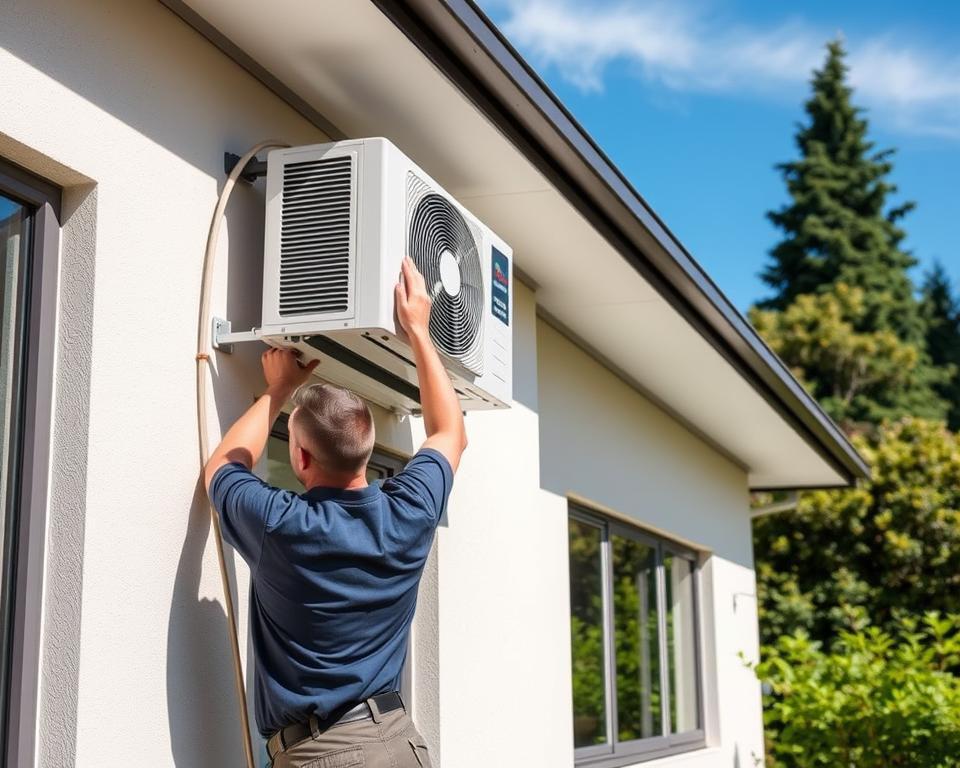
How Louisville heats: three in four on gas
The same survey’s house-heating-fuel table records 7,963 occupied homes: 77.1 percent heat primarily with utility gas, 21.4 percent with electricity, and almost none with bottled gas or wood. Three limits apply to those numbers. The table records one main heating fuel per home, which hides a house running a heat pump alongside its furnace; its responses span 2019 through 2023; and its electric share lumps heat pumps together with baseboard. The rebuild is the fourth caveat, and it cuts the other way: 550 homes fitted with new equipment in the rebuild years after the fire, under an energy code the survey never saw. What the table does say is that a heating call here is, three times in four, a gas furnace or boiler call, and that an electric minority large enough to make a heat pump conversion unremarkable already exists.
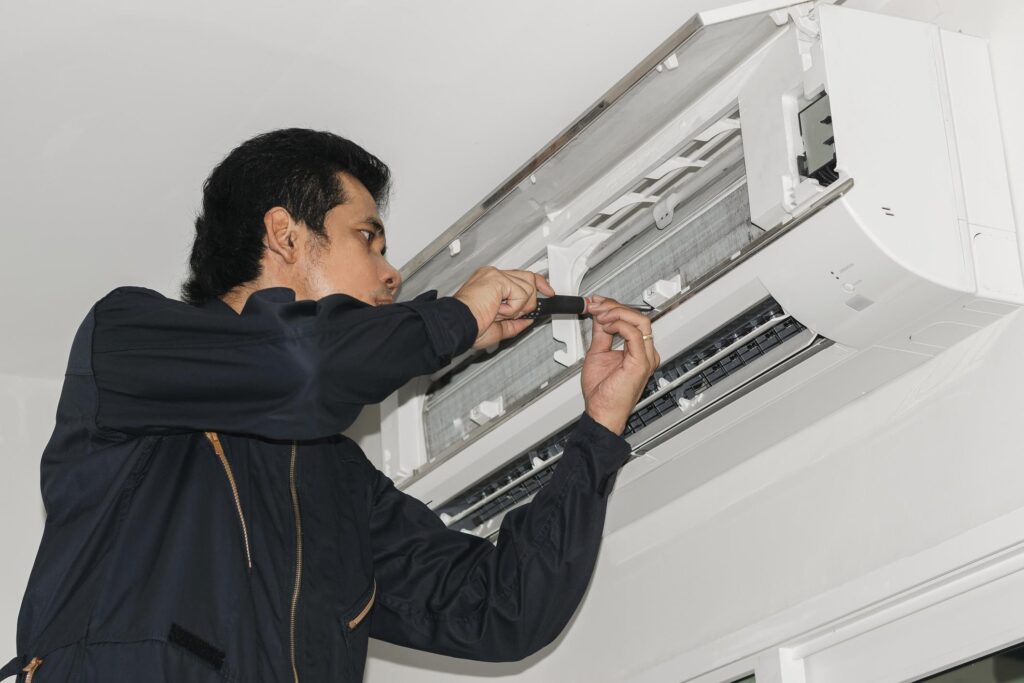
Who serves this address: Boulder County, Xcel, and a 2024 code
Louisville is entirely in Boulder County. The City’s own emergency-preparedness page states that “Xcel Energy is Louisville’s energy provider for residents and businesses,” so an electric bill here is an Xcel bill; the City does not state the gas provider on the pages we found, so check the name on yours before assuming a rebate applies. Xcel’s furnace rebate, for a 95 percent AFUE unit replacing a non-condensing one, is tied to holding Xcel gas service, and its heat pump rebates go through a contractor in Xcel’s Trade Partner Network unless you fit a mini-split yourself. Boulder County’s EnergySmart programme is income-qualified only for 2026. The City adopted the 2024 ICC codes, effective December 6, 2025, and adds a local electrical amendment: GFCI protection is required for every new outdoor air-conditioning unit in Louisville.
Louisville heating FAQ
Do you need a permit to replace a furnace in Louisville?
Yes. The City’s permit-requirements page lists “Replacing your A/C, furnace, or water heater” as work that needs a permit, alongside decks and basement finishes. Inspections are requested through the City’s Citizen Self Service portal, with a 4:00 PM cutoff for next-business-day requests, and the City notes that furnace, A/C and water heater inspections follow their own procedure and are not arranged with homeowners directly. Since December 6, 2025 the work is inspected against the 2024 ICC codes.
Which utility serves Louisville, and does it affect rebates?
The City states that Xcel Energy is Louisville’s energy provider for residents and businesses. It does not name the gas provider on the pages we found, so check your gas bill. Xcel’s furnace rebate requires Xcel gas service and a 95 percent AFUE unit replacing a non-condensing one; its heat pump rebates require an Xcel electric or gas account and, unless you install a mini-split yourself, a Trade Partner Network contractor. Eligibility depends on which utility serves your address. Check before assuming.
How old are Louisville homes, and why does that matter for heating?
The 2019–2023 American Community Survey puts the median year built at 1991, with 20.0 percent of 8,304 units built before 1980 and 23.9 percent in 2000 or later. It records only 92 units built in 2020 or later, so the 550 Marshall Fire rebuilds are mostly outside it. An older home is checked for what past replacements left behind; a rebuild has new equipment under new codes; the questions are different in each.
Do most Louisville homes heat with gas or electricity?
Gas. Of 7,963 occupied homes, 77.1 percent heat primarily with utility gas and 21.4 percent with electricity, per the same survey. One fuel per household is recorded, and heat pumps sit in the same column as baseboard, so the electric figure measures electric heat, not heat pumps. It does show that a heat pump conversion is not exotic here.
Will there be heat pump rebates in Colorado in 2026?
Not from the federal government: 25C covered only equipment placed in service before December 31, 2025. Xcel’s continue through 2026, provided the heat pump is installed and invoiced by December 31, 2026, at amounts Xcel sets by equipment and does not publish. For households at or below 100 percent of area median income, Boulder County’s EnergySmart pays 50 percent of project cost up to an annual cap in 2026. Figures move, so confirm them on Xcel’s and EnergySmart’s own pages or in our rebates guide before relying on one.
Does Louisville require anything special for a new air conditioner?
Yes. The City’s local amendment to the 2023 National Electrical Code, section 210.8(F) exception 2, requires GFCI protection for all new outdoor air-conditioning units within Louisville. A compliant install includes it; ask any installer, including us, to show it on the invoice, and ask what the manual requires at this elevation on any gas furnace the same way.